Column · @mymoldremovalcontractorsview
How to Choose the Right Mold Removal Contractors for Your Home
Mold is more than an eyesore. Left unchecked, it can damage drywall, framing, and even the structural integrity of a building. Worse, certain types of mold produce allergens and irritants that affect indoor air quality (IAQ). After water intrusion from a burst pipe or a slow roof leak, the clock starts ticking. Many homeowners reach for bleach and a scrub brush, but that approach rarely solves the problem at its root. That is where experienced mold removal contractors come in. They bring the equipment, training, and chemistry to handle mold safely and thoroughly.
I have spent years working in property restoration and remediation. I have seen what happens when a well-meaning DIY effort actually spreads spores deeper into a wall cavity. I have also watched professional teams walk into a basement that smelled like a wet gym and walk out three days later with the space dry, clean, and tested clear. The difference almost always comes down to the contractor's process, their gear, and their knowledge of building science.
Why Professional Mold Remediation Matters
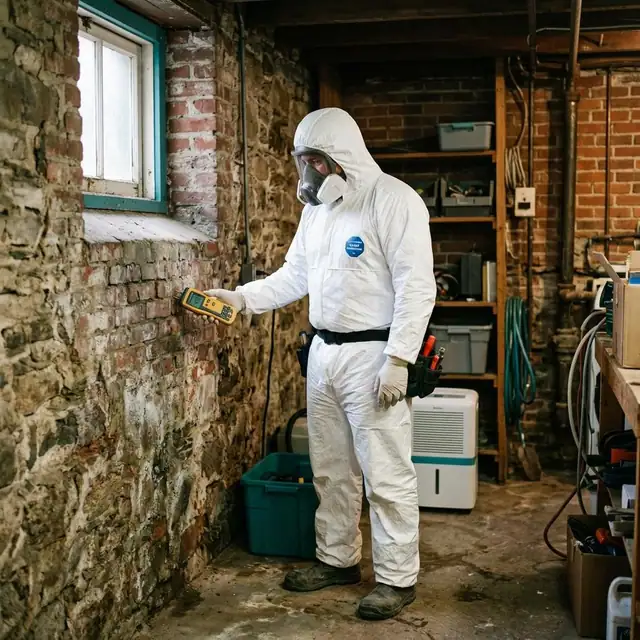
Mold thrives on moisture and organic material. Wood, drywall paper, ceiling tiles, even dust can feed it. When you disturb mold without containment, you release spores into the air. Those spores land elsewhere and start new colonies. A professional team sets up containment barriers, uses negative air pressure, and runs HEPA vacuums to capture airborne spores. They also know which cleaning agents actually kill mold on porous surfaces versus just bleaching the color out.
Bleach is a common household go-to, but it is not always the best choice. On porous surfaces like wood or drywall, bleach breaks down quickly and does not penetrate deep enough to kill the root structure (hyphae). That is why many remediation pros use fungicides or a borax solution. Borax is a natural mineral that inhibits mold growth and is far less toxic than many alternatives. For stubborn cases, some contractors use dry ice blasting, which cleans and sanitizes without water or chemicals. That technique works well on wood framing and brick.
What to Look for in Mold Removal Contractors
Not every company that advertises mold removal is truly equipped for remediation. Some general contractors will spray a biocide on visible mold and call it done. That may hide the problem for a few months, but it does not address the moisture source or the mold hidden inside walls. True mold removal contractors follow industry standards. They should be IICRC certified in mold remediation. The IICRC sets the benchmark for cleaning and restoration, and their certification means the company trains its crews on proper containment, personal protective equipment (PPE), and clearance testing.
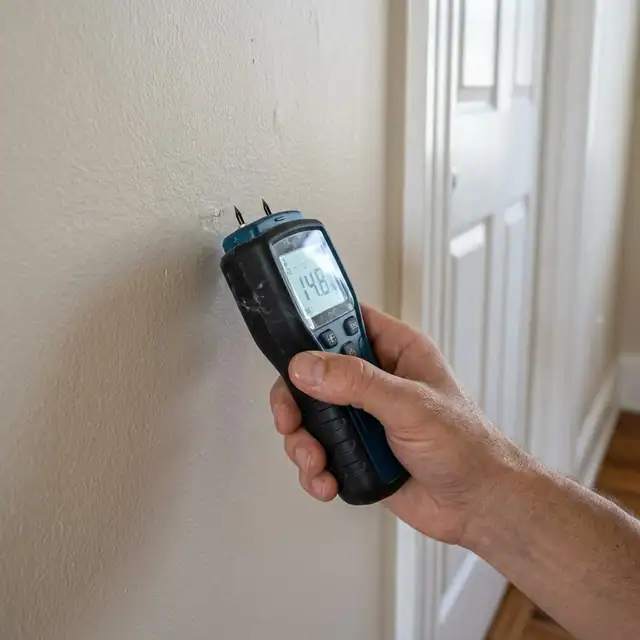
Ask about their inspection process. A thorough mold inspection should include moisture mapping, thermal imaging, and air sampling. Some companies will quote you over the phone without ever stepping inside the building. That is a red flag. A proper remediation job starts with understanding how far the mold has spread and what is feeding it. If the contractor does not identify and fix the moisture problem, the mold will return within weeks.
The Remediation Process Step by Step
Once you hire a qualified team, here is what a typical full-scale remediation looks like:
- Containment: The work area is sealed off with plastic sheeting, and negative air machines pull air through HEPA filters to prevent spores from traveling to other rooms.
- Removal of contaminated materials: Soft materials like carpet, drywall, and insulation that cannot be cleaned are cut out, bagged, and disposed of properly. If asbestos is present in older buildings (common in Boston and Cambridge properties built before the 1980s), specialized abatement may be needed before mold work can begin.
- Cleaning and treatment: Exposed wood and masonry are scrubbed with fungicides, or treated with dry ice blasting. HEPA vacuuming follows every step to capture settled spores.
- Drying and verification: The area is dried completely using air movers and dehumidifiers. Finally, clearance testing (air samples compared to outside baseline) confirms the space is safe to rebuild.
This process can take anywhere from one day for a small bathroom to a week or more for a full basement or crawlspace. It is not cheap, but cutting corners here means mold will regrow and the cost of rework will be higher.
Common Mistakes Homeowners Make
The biggest mistake is waiting too long. Mold can start growing within 24 to 48 hours after water exposure. By the time you see it or smell it, it has already penetrated into materials. The second mistake is using the wrong products. Spraying bleach on moldy drywall may whiten the surface, but the mold is still alive deeper in the material. The third mistake is skipping moisture control. You can clean every spore out of a room, but if the humidity stays above 60 percent or a hidden leak persists, the mold will come back.
I once saw a family in Concord who tried to handle a small patch of mold in their attic themselves. They scrubbed it with vinegar, painted over the stain, and thought they were done. Three months later, the mold had spread across the entire roofline because the roof vent was clogged and moisture was trapped. They ended up paying for a full remediation that cost several times what it would have been if they had called mold removal contractors early.

Cost vs. Value: What You Are Paying For
Professional mold remediation is not just about labor. You are paying for specialized equipment: HEPA vacuums, air scrubbers, moisture meters, thermal imaging cameras. You are also paying for training. Crews need to know how to handle hazardous materials, how to set up containment, and how to interpret IAQ test results. Some of the larger restoration franchises like Servpro and PuroClean have full mold remediation divisions, but smaller local companies can be just as effective if they hold the right certifications.
Be wary of any contractor who gives you a flat price without seeing the job first. Mold is unpredictable. What looks like a small spot on the ceiling could be a large colony inside the wall cavity. A responsible contractor will do a mold inspection, write up a scope of work, and then give a detailed estimate. That estimate should include containment, disposal, cleaning, and post-remediation testing.
Why Location Matters: Boston, Cambridge, and Concord
If you live in the Boston area, the age of your building matters. Many homes in Cambridge and Concord were built before modern vapor barriers and foundation drainage were standard. Basements in this region are notoriously damp because of high water tables and old stone foundations. I have worked on homes where the floor joists were wet for decades, and the mold was hidden behind finished walls. In those cases, the remediation had to involve structural drying, a dehumidifier running for weeks, and sometimes even replacing the subfloor.
Another factor is the local climate. New England summers are humid, and fall brings rain. Without proper ventilation and humidity control, mold can become a recurring issue. After remediation, many homeowners install a dehumidifier in the basement or upgrade their HVAC system to include a whole-house dehumidifier. That extra step can prevent future outbreaks and improve overall IAQ.
Non-Toxic Options and Health Considerations
For families with young children, elderly members, or anyone with respiratory issues, the toxicity of cleaning agents is a real concern. Many mold removal contractors now offer non-toxic remediation methods. These rely on plant-based fungicides, heat treatment, or dry ice blasting rather than harsh chemicals. Ask your contractor if they can use non-toxic products. Most will accommodate that request if you ask ahead of time.
Keep in mind that non-toxic does not mean less effective. The key is still removing the mold physically (cutting out contaminated materials and HEPA vacuuming) rather than just trying to kill it with chemicals. Killing mold leaves behind dead spores that can still trigger allergies in some people. Physical removal is always the gold standard.
Final Thoughts on Hiring Mold Removal Contractors
Finding the right contractor takes some legwork, but it is worth it. Look for IICRC certification, a thorough inspection process, and a written scope of work. Avoid any company that promises a quick fix with just a spray. Mold is a symptom of a moisture problem, and until you fix the moisture, the mold will return. The best mold removal contractors treat the cause, not just the stain. They will also educate you on how to maintain low humidity and spot early warning signs.
Whether you are dealing with a small patch in a closet or a full basement renovation gone wrong, professional help saves time, money, and stress. And your lungs will thank you.